
The Complete Guide to Diabetes: Symptoms, Causes, Treatment & Prevention

Diabetes is one of the most common and serious chronic diseases affecting millions of people worldwide. Whether you are experiencing early symptoms of diabetes, managing an existing diagnosis, or simply looking to understand blood sugar control better — this complete guide covers everything you need to know about diabetes symptoms, causes, treatment, prevention, and expert diabetes care in Islamabad.

What is Diabetes?
Diabetes mellitus is a chronic metabolic disease in which the body either cannot produce enough insulin or cannot use it effectively. Insulin is a hormone produced by the pancreas that helps glucose from food enter the body’s cells and be used as energy. When this process breaks down, glucose builds up in the bloodstream — leading to high blood sugar levels.
Diabetes is a multisystem disease with both biochemical and structural consequences. It affects carbohydrate, fat, and protein metabolism and, if left uncontrolled, can damage organs throughout the entire body.
How Does Diabetes Affect the Body?
When blood sugar remains elevated over a long period of time, it begins to damage blood vessels and nerves across the body. The eyes, kidneys, heart, nervous system, and lower limbs are all at risk. This is why early diabetes diagnosis and consistent diabetes management are so important. With proper blood sugar control, the risk of serious complications can be significantly reduced.
Different Types of Diabetes
Type 1 Diabetes
Type 1 diabetes mellitus (DM) is an autoimmune condition in which the body’s immune system attacks and destroys the insulin-producing beta cells in the pancreas. Once 80–90% of these beta cells are destroyed, blood sugar rises to dangerous levels and diabetes is diagnosed.
Type 1 DM can occur at any age, although it frequently arises in children and young adults. Patients with Type 1 diabetes are completely dependent on external insulin — if insulin is withdrawn, diabetic ketoacidosis (DKA) can develop, which is a life-threatening emergency.
Type 1 DM progresses through three stages:
- Stage 1: Autoimmune antibodies are present, blood sugar is normal, no symptoms yet
- Stage 2: Autoimmune antibodies present with blood sugar disturbances, still presymptomatic
- Stage 3: Openly elevated blood sugar with visible symptoms
Type 2 Diabetes
Type 2 diabetes is the most common form of diabetes. In this type, the body develops insulin resistance — meaning cells stop responding properly to insulin — or the pancreas cannot produce enough insulin to meet the body’s needs. It is most common in adults but is increasingly being diagnosed in younger people due to obesity and sedentary lifestyles.
Prediabetes
Prediabetes means blood sugar levels are higher than normal but not yet high enough to be classified as Type 2 diabetes. It is a critical warning stage. With lifestyle changes at this point, full diabetes can often be prevented.
Gestational Diabetes
Gestational diabetes develops during pregnancy. It usually resolves after delivery, but both the mother and child carry a higher risk of developing Type 2 diabetes later in life.
What Causes Diabetes?
Type 1 Diabetes Causes:
Type 1 DM results from autoimmune destruction of the pancreatic beta cells. Genetic factors play a significant role — if a father has Type 1 DM, the child carries a 5–6% risk; if the mother has it, the risk is 2–3%; and if both parents have it, the risk rises to nearly 30%. Among identical twins, there is more than a 50% concordance rate by age 40.
Environmental triggers are also involved, including viruses such as enterovirus, mumps, rubella, and coxsackievirus B4, as well as certain toxic chemicals and exposure to cow’s milk in infancy.
COVID-19 and Diabetes: Emerging research shows that SARS-CoV-2, the virus responsible for COVID-19, can directly affect pancreatic beta cells and increase the risk of developing diabetes. Studies indicate that COVID-19 survivors had approximately a 40% greater risk of being diagnosed with diabetes within one year of infection.
Type 2 Diabetes Causes:
- Insulin resistance
- Obesity and excess body weight
- Physical inactivity
- Poor diet high in sugar and refined carbohydrates
- Family history of diabetes
- Age above 40 years
Risk Factors for Diabetes
Certain individuals are at higher risk of developing diabetes, including those who:
- Have a family history of diabetes
- Are overweight or obese
- Lead a physically inactive lifestyle
- Have high blood pressure or abnormal cholesterol levels
- Have polycystic ovary syndrome (PCOS)
- Are over 45 years of age
- Have been previously diagnosed with prediabetes
- Had gestational diabetes during pregnancy
Early Symptoms of Diabetes
These are the 10 early signs of diabetes that should never be ignored:
- Frequent urination, especially at night
- Excessive thirst that doesn’t go away
- Increased hunger even after eating
- Unexplained weight loss
- Persistent fatigue and weakness
- Blurred vision
- Slow healing of cuts and wounds
- Numbness or tingling in the hands and feet
- Frequent infections (skin, gum, or bladder)
- Dry mouth and dry skin
If you are experiencing any of these symptoms, get a blood sugar test done immediately and consult a diabetes specialist without delay.
How Diabetes is Diagnosed
Diabetes diagnosis involves the following tests:
- Fasting Blood Sugar Test — blood is drawn after 8 hours of fasting
- HbA1c Test — reflects average blood sugar levels over the past 2–3 months; normal is below 5.7%
- Random Blood Sugar Test — blood sugar checked at any time of day
- Oral Glucose Tolerance Test (OGTT) — blood sugar is tested after consuming a glucose solution
The HbA1c is a particularly important marker. Research shows that each 1% increase in HbA1c independently predicts a 19% higher risk of heart attack.
Normal Blood Sugar Levels
Timing Normal Range
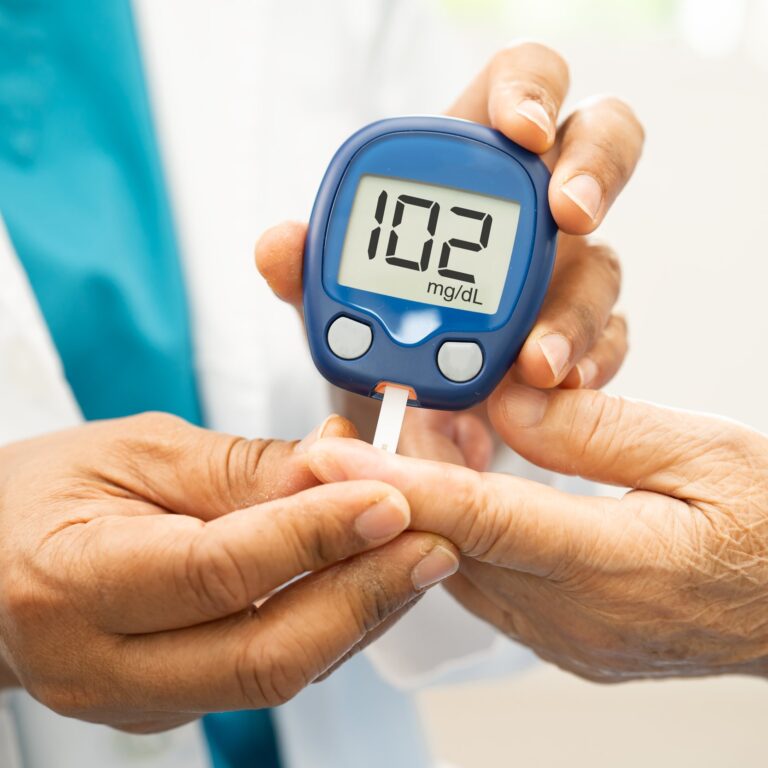
Fasting (before meals) 70–100 mg/dL
2 hours after eating Less than 140 mg/dL
HbA1c Below 5.7%
If your levels are consistently above these ranges, it may indicate prediabetes or diabetes. A blood sugar test in Islamabad at KM Clinics can help you get a clear picture of your health.
Diabetes Treatment Options
Lifestyle Changes
For Type 2 diabetes and prediabetes, lifestyle changes are the first and most important step. A healthy diet, regular physical activity, and maintaining a healthy weight can significantly improve blood sugar control — and in some cases, reverse prediabetes entirely.
Oral Medications
Several oral diabetes medications are used for Type 2 diabetes management, including Metformin, which works by reducing insulin resistance. All diabetes medication should only be taken under the guidance of a qualified healthcare professional.
Insulin Therapy
Type 1 diabetes requires lifelong insulin therapy. In Type 2 diabetes, insulin may also be needed if oral medications are not sufficient. Different types of insulin — short-acting, long-acting, and mixed — are available depending on the patient’s needs.
Best Foods for Diabetes
A well-planned diabetes diet plan is central to blood sugar control. The best foods for diabetes include:
- Non-starchy vegetables (spinach, broccoli, cucumber, bitter gourd)
- Whole grains (brown rice, oats, whole wheat bread)
- Legumes (lentils, chickpeas, kidney beans)
- Lean proteins (chicken, fish, eggs)
- Healthy fats (olive oil, walnuts, almonds)
- Low-sugar fruits in moderation (berries, guava, apple)
- Water and unsweetened drinks
These foods for diabetes help maintain steady blood sugar levels and support long-term diabetes management.
Foods to Avoid
Certain foods cause rapid spikes in blood sugar and should be avoided or strictly limited:
- Sugary drinks — soda, juices, energy drinks
- Refined flour products — white bread, biscuits, naan
- Processed and packaged snacks
- Sweets, mithai, and desserts
- Fried and high-fat foods
- Alcohol
Keeping these foods to a minimum is a key part of any effective diabetes meal plan.
Exercise for Diabetes
Physical activity is one of the most powerful tools in diabetes care. Exercise improves insulin sensitivity and helps lower blood sugar naturally. Recommended activities include:
- Daily 30-minute walk — one of the simplest and most effective ways to lower blood sugar
- Swimming or cycling — low-impact but highly effective
- Resistance/strength training — helps muscles use insulin more efficiently
- Yoga and stretching — reduces stress hormones that raise blood sugar
Regular physical activity also supports weight management, heart health, and overall well-being in people with diabetes.
How to Lower Blood Sugar Naturally
Here are 15 proven ways to lower blood sugar naturally:
- Include high-fiber foods in every meal
- Eat smaller, more frequent meals throughout the day
- Drink plenty of water
- Manage stress through breathing exercises and adequate sleep
- Exercise regularly — even a short daily walk helps
- Get 7–8 hours of quality sleep each night
- Add bitter gourd (karela), fenugreek (methi), and cinnamon to your diet
- Cut out refined sugar and white flour
- Quit smoking
- Monitor your blood sugar regularly at home
- Avoid skipping meals
- Choose whole fruits over fruit juices
- Reduce portion sizes gradually
- Stay consistent with your diabetes medication
- Follow up regularly with your diabetes specialist
Diabetes Complications
Uncontrolled diabetes can lead to serious and life-threatening complications:
Heart Disease
Diabetes accelerates atherosclerosis — the narrowing of blood vessels — increasing the risk of heart attack two-fold in men and four-fold in women. Macrovascular disease is the leading cause of death in diabetes patients, accounting for 65–75% of mortality.
Kidney Disease
Diabetic nephropathy gradually damages the kidneys’ filtering ability. Studies show that 27% of Type 1 DM patients in large health systems have chronic kidney disease (CKD). In severe cases, end-stage renal disease (ESRD) requiring dialysis or transplant can develop.
Eye Damage
Diabetic retinopathy is the leading cause of blindness in adults aged 20–60 years. It affects the small blood vessels in the retina and can lead to macular edema, proliferative retinopathy, and sudden vision loss. Early diabetes monitoring and regular eye exams are essential.
Nerve Damage (Neuropathy)
Persistent high blood sugar damages nerves throughout the body. The most common type — distal symmetrical sensorimotor polyneuropathy — causes burning, numbness, and tingling in the hands and feet. Reduced sensation increases the risk of unnoticed injuries and infections.
Foot Problems
The combination of neuropathy and poor blood circulation can lead to foot ulcers, slow-healing wounds, and in severe cases, gangrene and amputation. Diabetes is the leading cause of non-traumatic lower limb amputation worldwide. Regular foot care and inspection are critical.
Why Choose Dr. Ausaf Ul Mir for Diabetes Care in Islamabad?
If you are looking for the best diabetes specialist in Islamabad, Dr. Ausaf Ul Mir at KM Clinics Islamabad offers a comprehensive, patient-centered approach to diabetes treatment that goes well beyond simply prescribing medication.
Here is what sets Dr. Ausaf Ul Mir apart:
- Evidence-Based Diabetes Treatment — treatment aligned with the latest international clinical guidelines
- Personalized Care Plans — every patient’s condition is unique; care plans are tailored accordingly
- Modern Diagnostic Approach — HbA1c monitoring, glucose assessments, and advanced diagnostic workup
- Long-Term Diabetes Management — focused on preventing future complications, not just immediate symptoms
- Patient Education — empowering patients to understand and take ownership of their condition
- Lifestyle Counseling — practical guidance on diet, exercise, and daily habits
- Continuous Follow-up — regular monitoring ensures blood sugar stays in a safe range
- Online & In-Person Consultation at KM Clinics — flexible appointment options for your convenience
For expert diabetes consultation Islamabad, Dr. Ausaf Ul Mir is a trusted and experienced choice.
Why KM Clinics is a Trusted Diabetes Clinic in Islamabad
KM Clinics Islamabad is more than just a clinic — it is a complete diabetes care center built around the patient’s long-term health and well-being.
- Experienced Medical Team — qualified doctors, nurses, and support staff
- Personalized Diabetes Care — individualized treatment for every patient
- Comprehensive Diagnostics — full blood sugar testing and diabetes workup available in Islamabad and Rawalpindi
- Modern Healthcare Facility — advanced equipment in a comfortable, hygienic environment
- Accessible Consultations — both in-person and online diabetes consultations are available
For anyone seeking diabetes treatment in Islamabad or looking for a reliable diabetes clinic in Islamabad, KM Clinics is a name you can trust.
Frequently Asked Questions (FAQ)
Can Diabetes Be Cured? Type 1 diabetes currently has no permanent cure, but with proper management, patients can live full and healthy lives. Type 2 diabetes can in some cases be reversed — particularly at the prediabetes stage — through sustained lifestyle changes.
What Are the Early Symptoms of Diabetes?
The most common early symptoms include frequent urination, excessive thirst, unexplained weight loss, constant fatigue, blurred vision, and slow wound healing. If you notice these signs, seek medical attention promptly.
What Is the Best Diet for Diabetes?
A diet rich in fiber, lean proteins, healthy fats, and whole grains is ideal. Focus on vegetables, legumes, and low-sugar fruits. Avoid sugary drinks, white flour, and processed foods.
Can Walking Lower Blood Sugar?
Yes. A daily 30-minute walk has been shown to significantly lower blood sugar levels and improve insulin sensitivity over time.
When Should I See a Diabetes Specialist? You should see a diabetes specialist if you have early symptoms, a family history of diabetes, borderline blood sugar levels, or if your current treatment is not keeping your blood sugar in a healthy range.
Where Can I Get Diabetes Treatment in Islamabad? KM Clinics Islamabad offers complete diabetes care including diagnosis, treatment, monitoring, and lifestyle counseling. Both in-person and online diabetes consultations with Dr. Ausaf Ul Mir are available.
Why Choose KM Clinics? KM Clinics offers personalized diabetes care, an experienced medical team, modern diagnostic facilities, and consistent long-term follow-up — making it one of the most trusted diabetes clinics in Islamabad and Rawalpindi.
Disclaimer:
Latest Articles
The Complete Guide to Diabetes: Symptoms, Causes, Treatment & Prevention
- July 3, 2026